
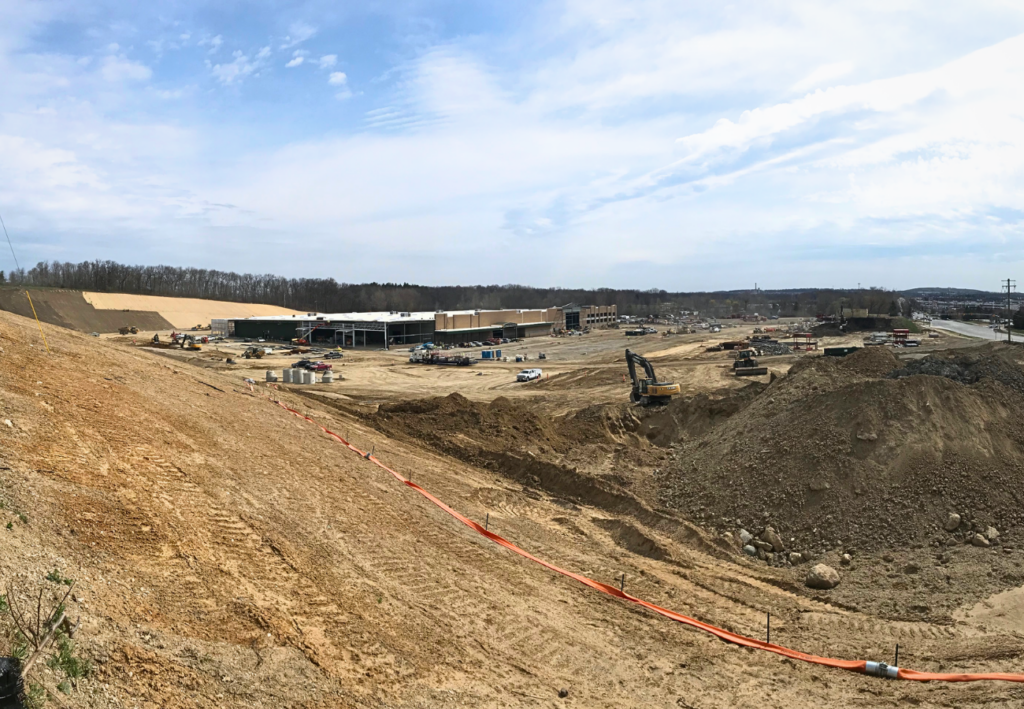
Ineffective site designs can spike development costs and burn up project schedules. With complexity growing exponentially with site size, earthwork analysis – the process of designing and evaluating grading changes for a site plan – is a critical component of a project’s success.
What is earthwork analysis?
While evaluating on-site earth materials, earthwork analysis effectively plans a site for optimal water drainage. It prepares the land for cut-and-fill operations, reshaping it to achieve the necessary dimensions for the building, parking lots, roadways, required utilities, and other site features.
Starting with comparing the existing site grade to the finished site grade, engineers flex their three-dimensional thinking to craft the optimized design and grading for the development. This involves analyzing factors such as pavement thickness, the number of concrete slabs required, backfill for utility trenches, and more.
Then, the design is processed through calculations to identify potential modifications, such as raising or lowering parts of the site, to ensure adequate water drainage. Earthwork analysis is a critical part of an engineer’s due care, requiring them to do everything in their power to design the site efficiently, with minimal import or export of the materials.
Why does earthwork analysis matter?
Without efficient earthwork analysis, project construction costs can increase significantly. Importing or exporting materials on-site delays schedules and adds an expensive price tag to the development.
According to the 2023 RS Means book for Site Works and Landscape Costs, the cost of transporting material can range from $5 to $25 per cubic yard, depending on the distance and size of the truck.
Additionally, there are plenty of other aspects to consider regarding importing and exporting materials that can dramatically impact a budget, including:
- Cost of purchasing materials
- The type of in-situ soil present and whether or not it is suitable for reuse on-site
- Disposal costs for brownfield sites with contaminated soil
- Transportation distance and equipment
Let’s not forget the earthwork cost of manipulating soil that remains on site. Without diligent control of how much material is being moved, costs can add up quickly. Beginning in the conceptual phase and progressing through each subsequent stage, engineers implement design elements to maintain soils where relevant and whenever possible.
What drives successful earthwork analysis?
Because a construction site is a dynamic environment, effective consultation is crucial for successful earthwork analysis. Through clear and consistent communication, engineers can understand the specific needs and intentions of stakeholders, ensuring that the planned earthwork supports the project’s success.
For example, a balanced site may only be achieved using retaining walls, which can negate the earthwork cost savings and impact the development aesthetically. Communicating with the client on cost implications and prudent alternatives differentiates successful from marginal earthwork.
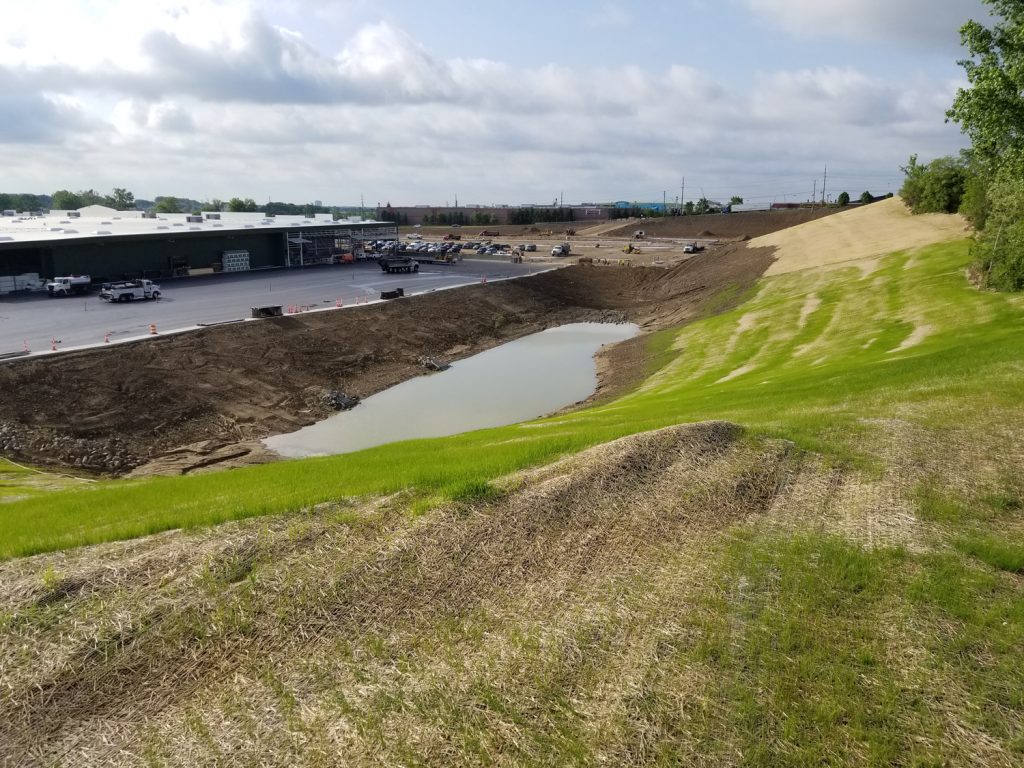
Menards Orion Township Project Profile
Approaching this site’s 110 feet of elevation difference as a three-dimensional puzzle, Metro Consulting Associates provided a conceptual grading plan that prevented soils from being imported or exported during construction.
Additionally, site constraints and the contractor’s construction sequence can have significant impacts on the earthwork assumptions used during design. Plans change as a project moves from concept to construction, and earthwork needs to be considered at every stage.
When handled with expertise, earthwork analysis ensures that schedules stay on time, prevents costly expenses, and ensures long-term site performance.
Contact the Pros
Every project is unique—that’s Metro Consulting Associates’ (MCA) approach to civil design. Our professional engineers focus on simple yet highly refined designs that deliver on client vision, work with – not against – site constraints, and translate for construction.
Let’s reimagine your next development together. Contact MCA today.